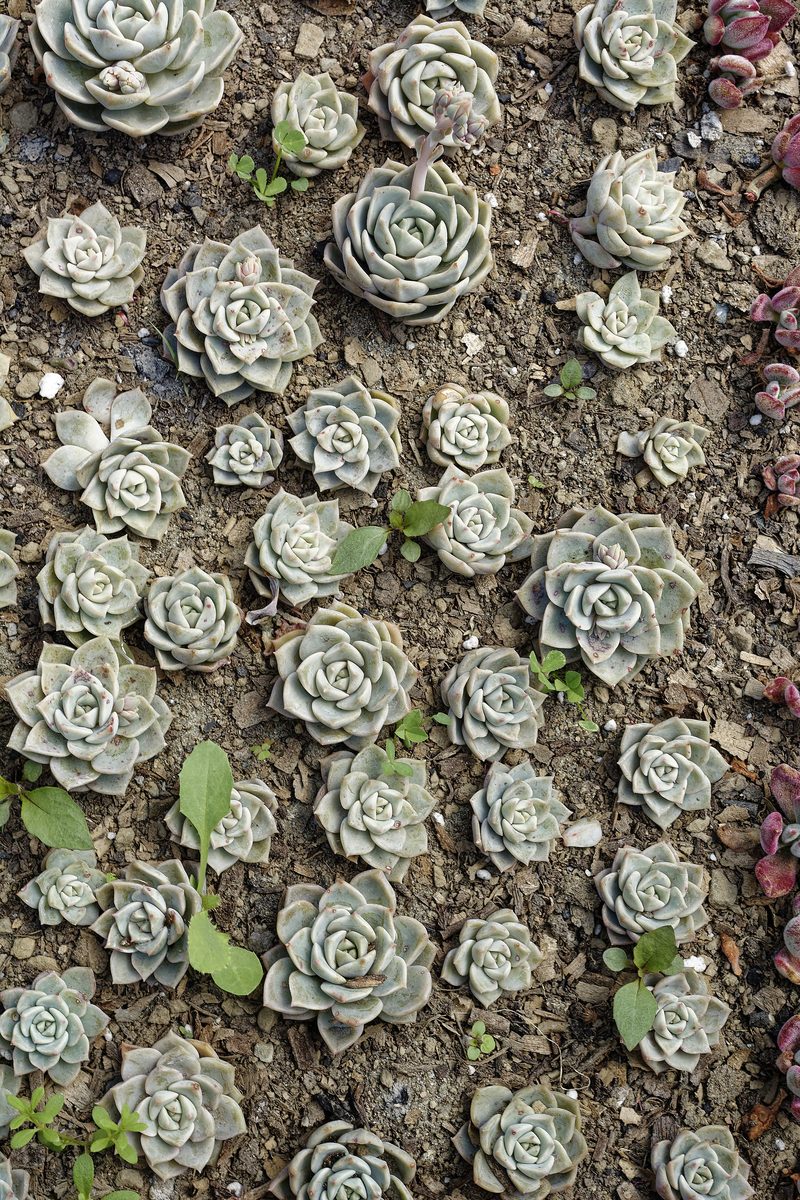
Houseleek
Probably Rosularia sp. (ID unconfirmed)
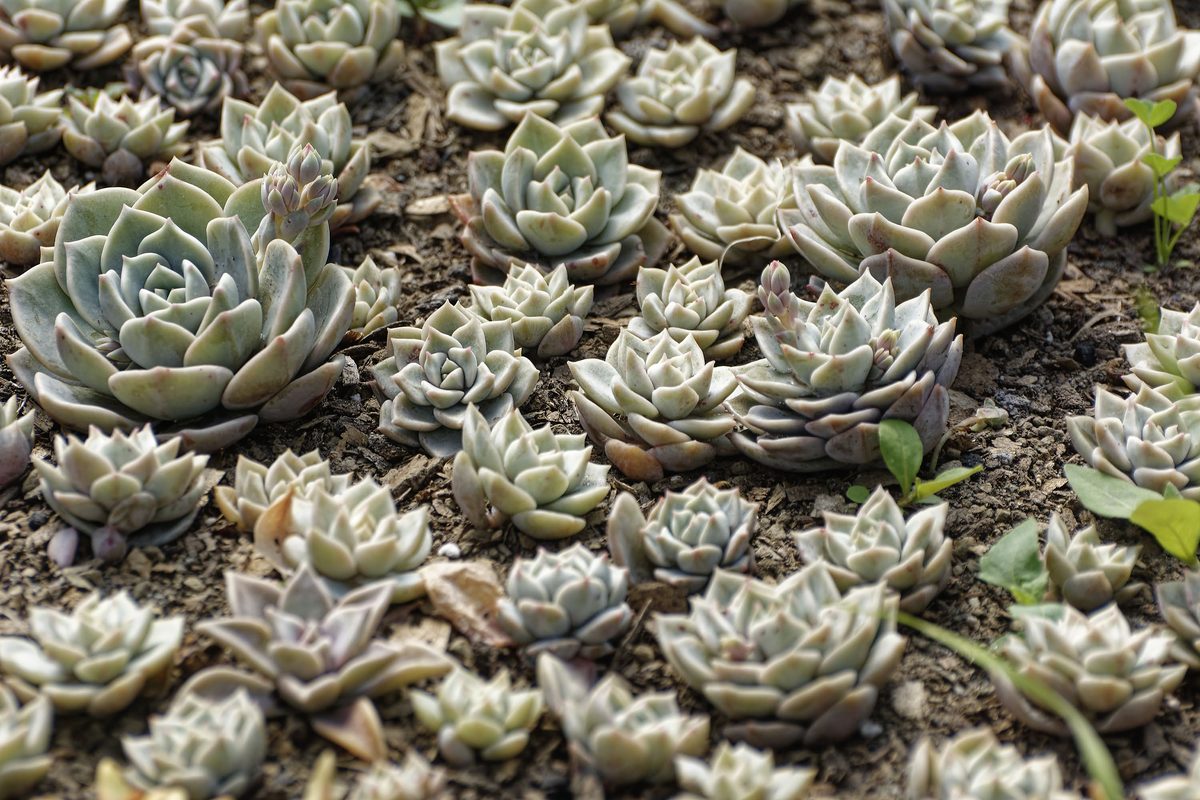
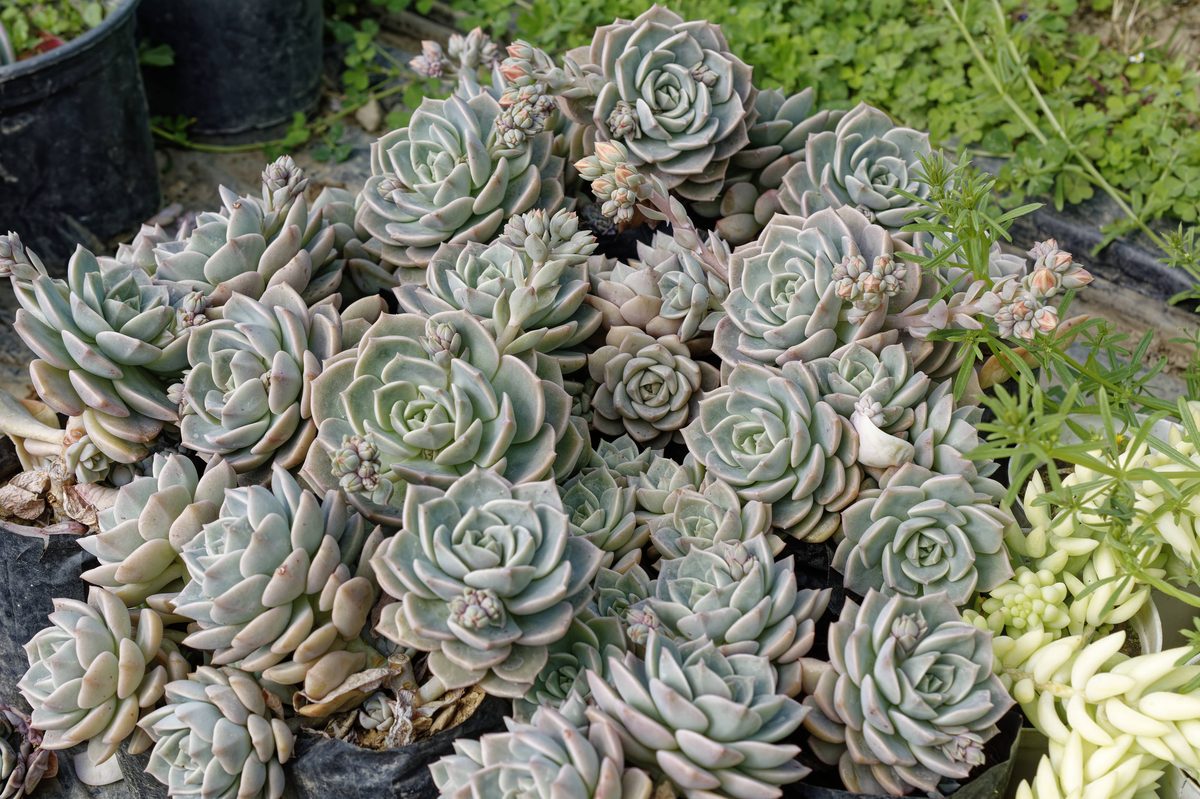
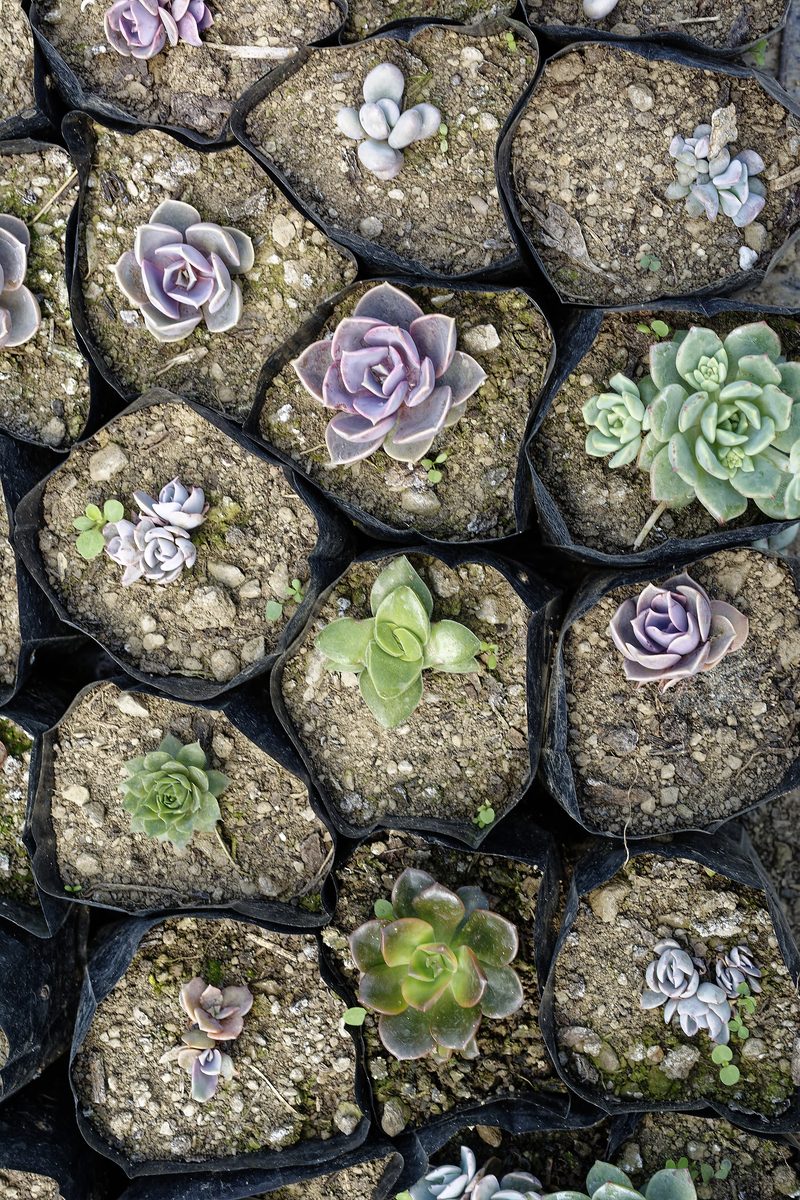
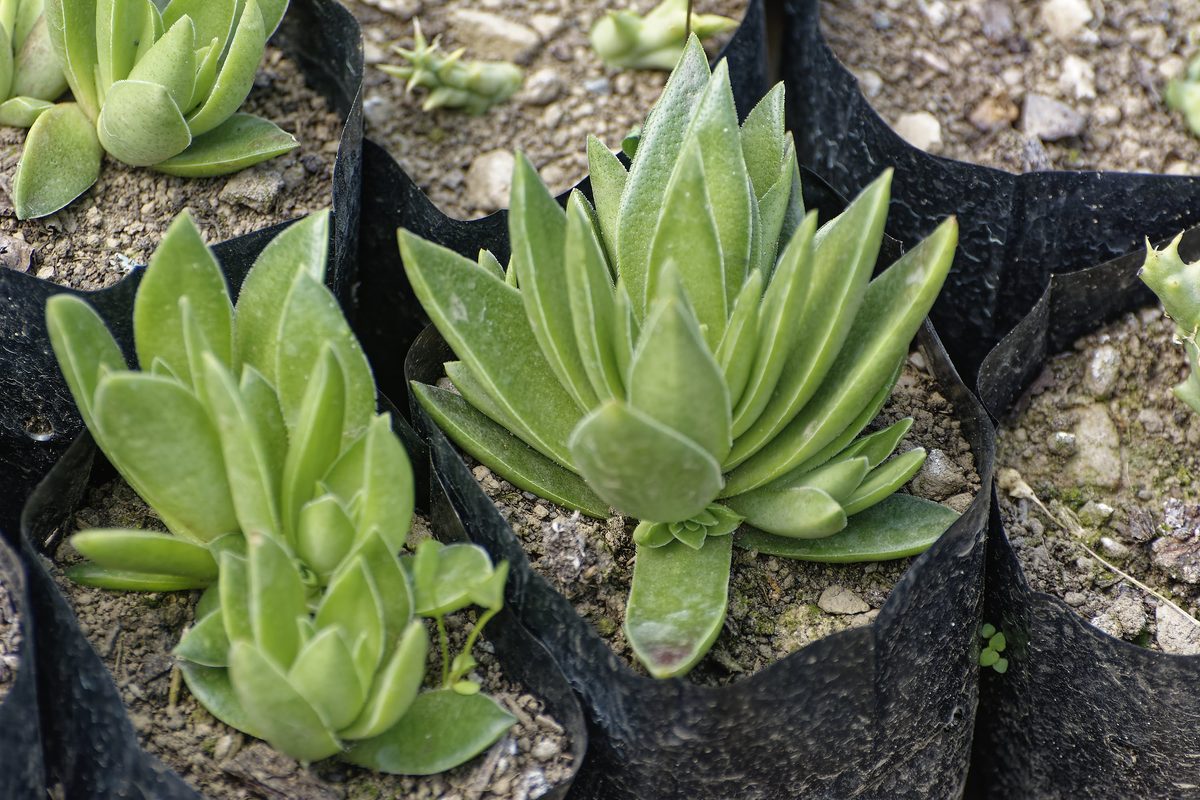
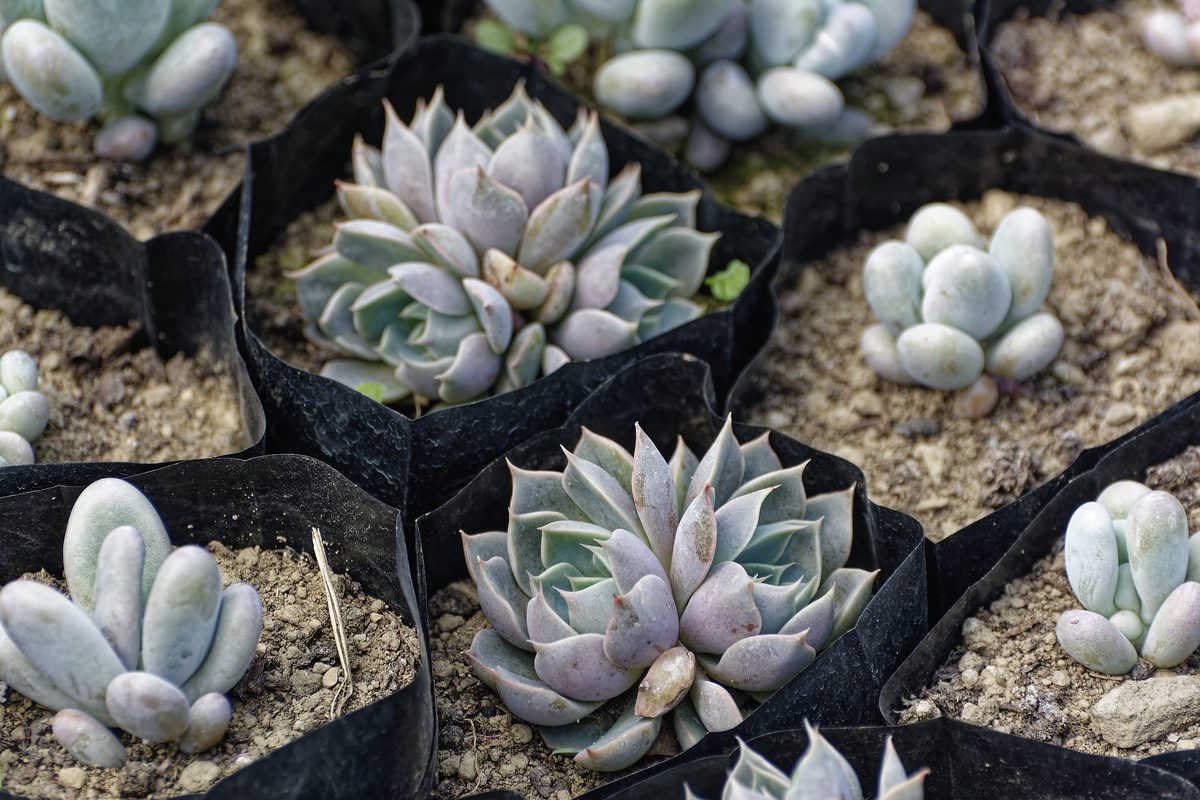
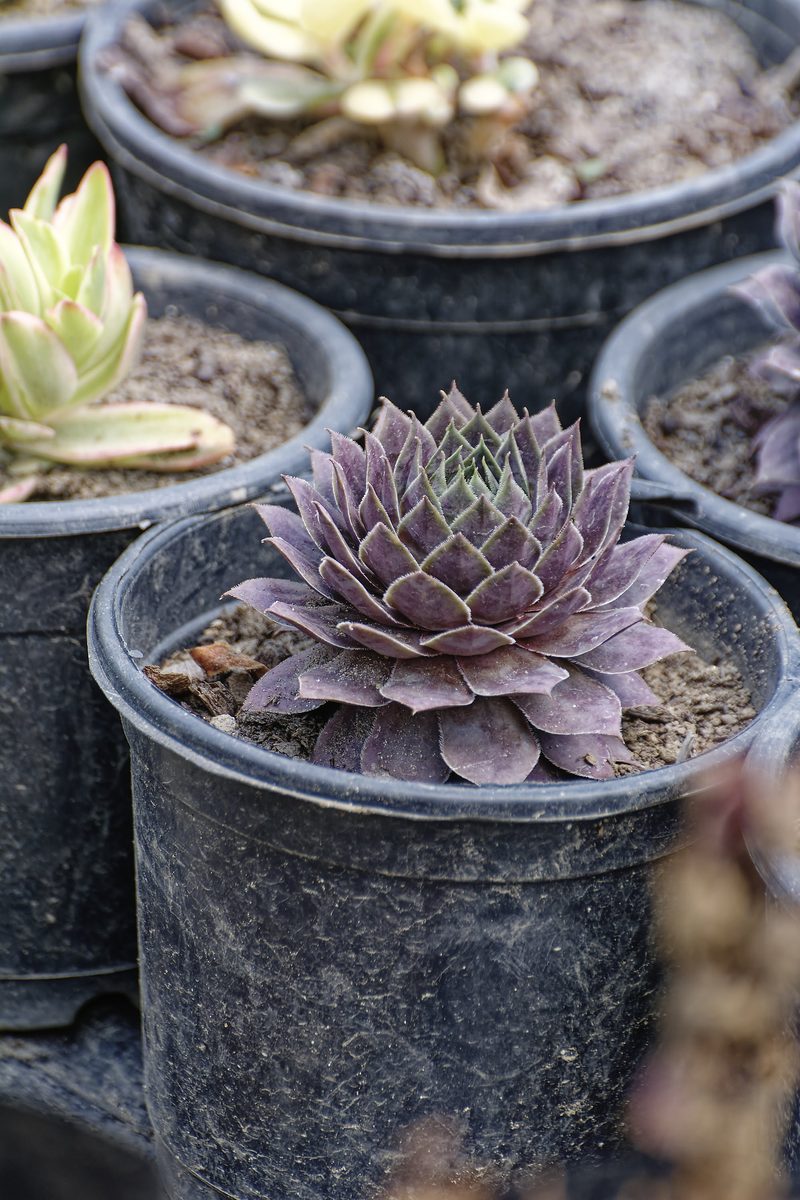
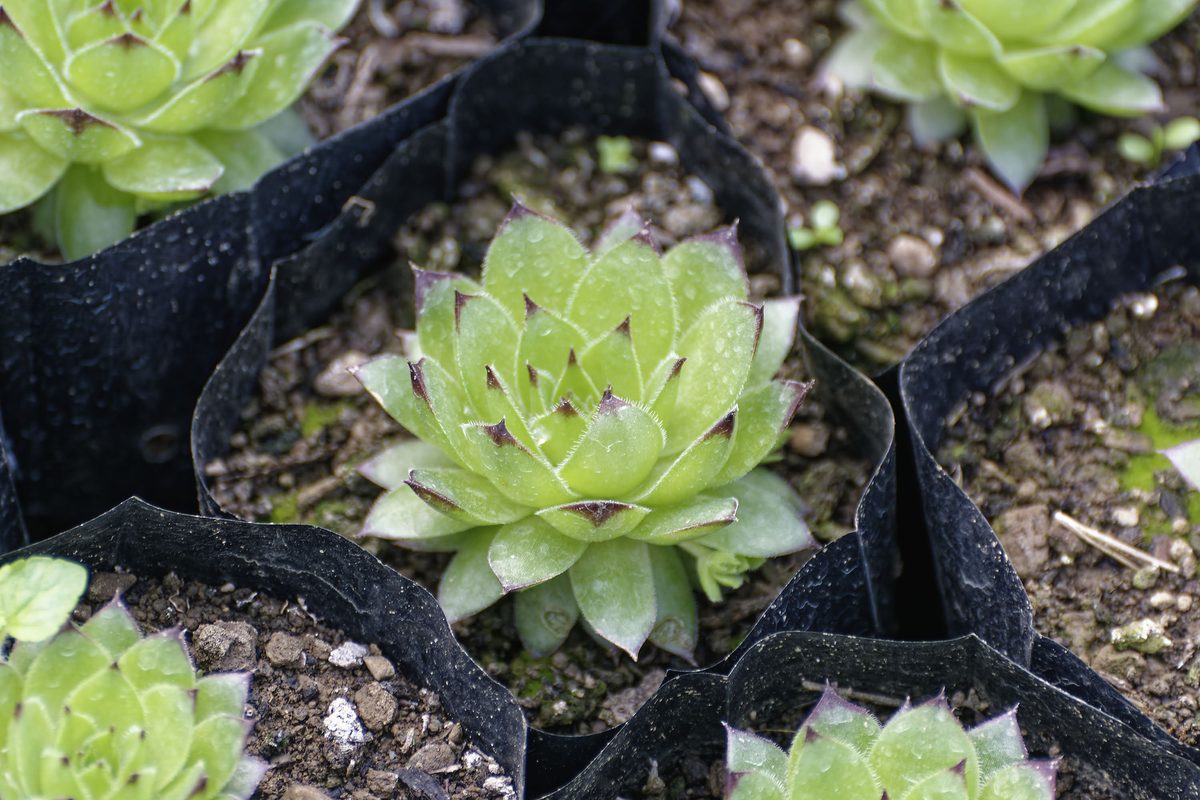
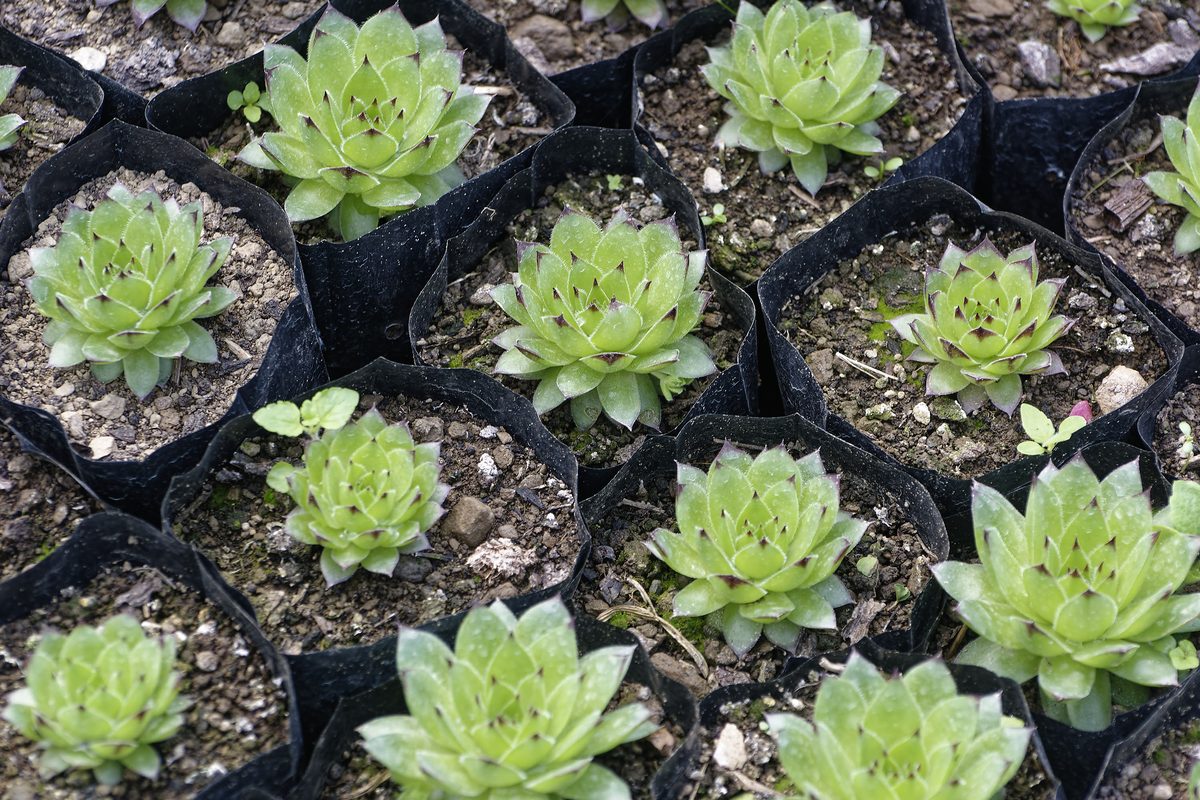
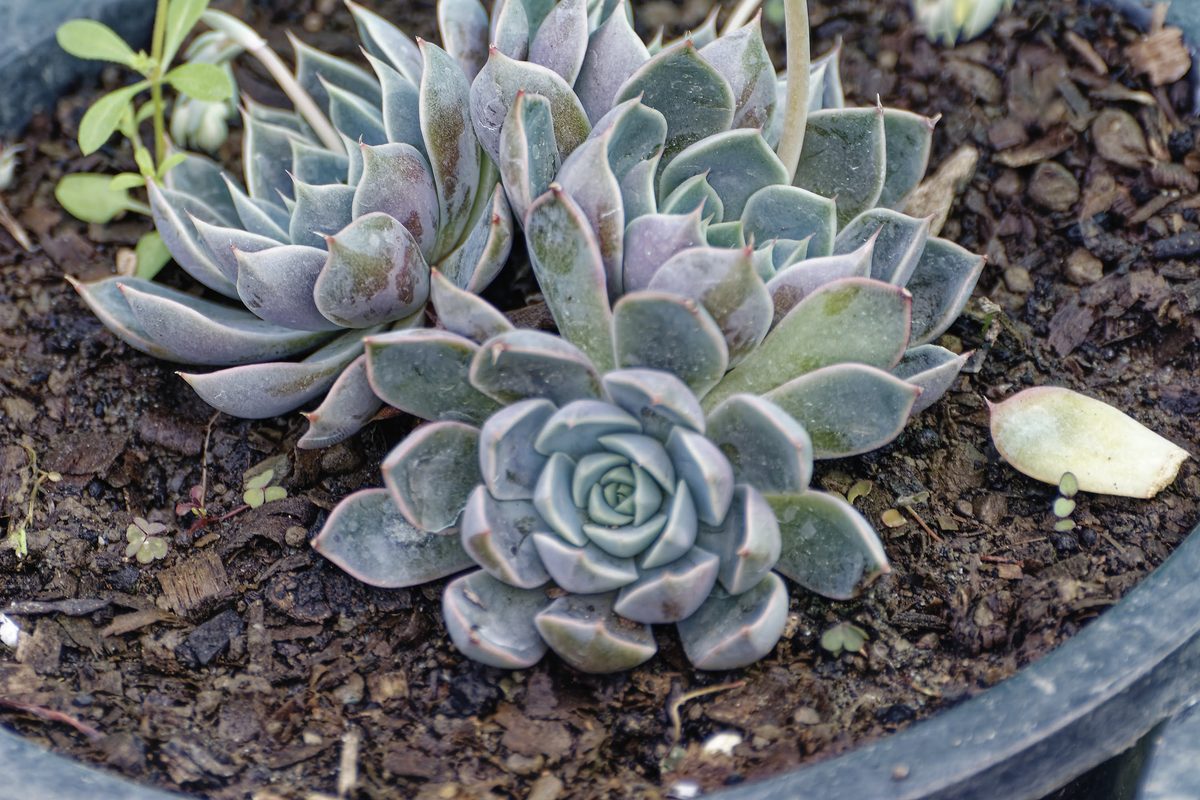
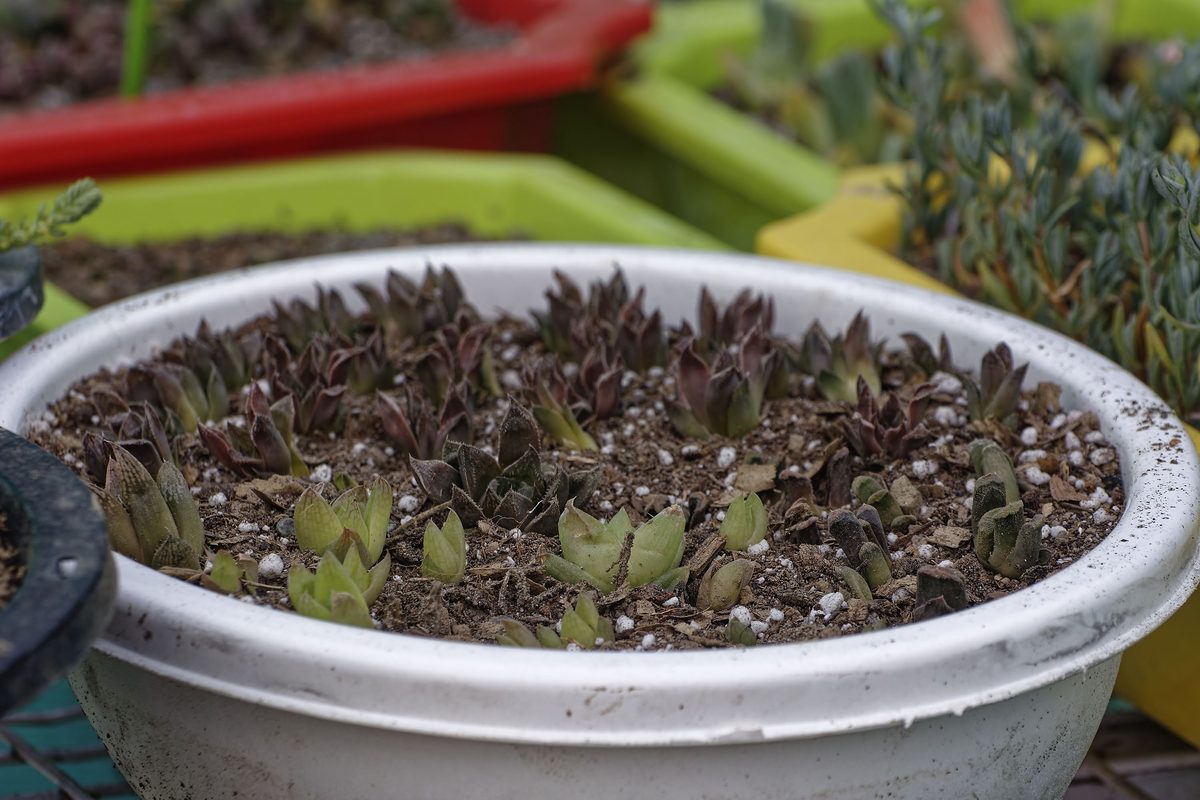
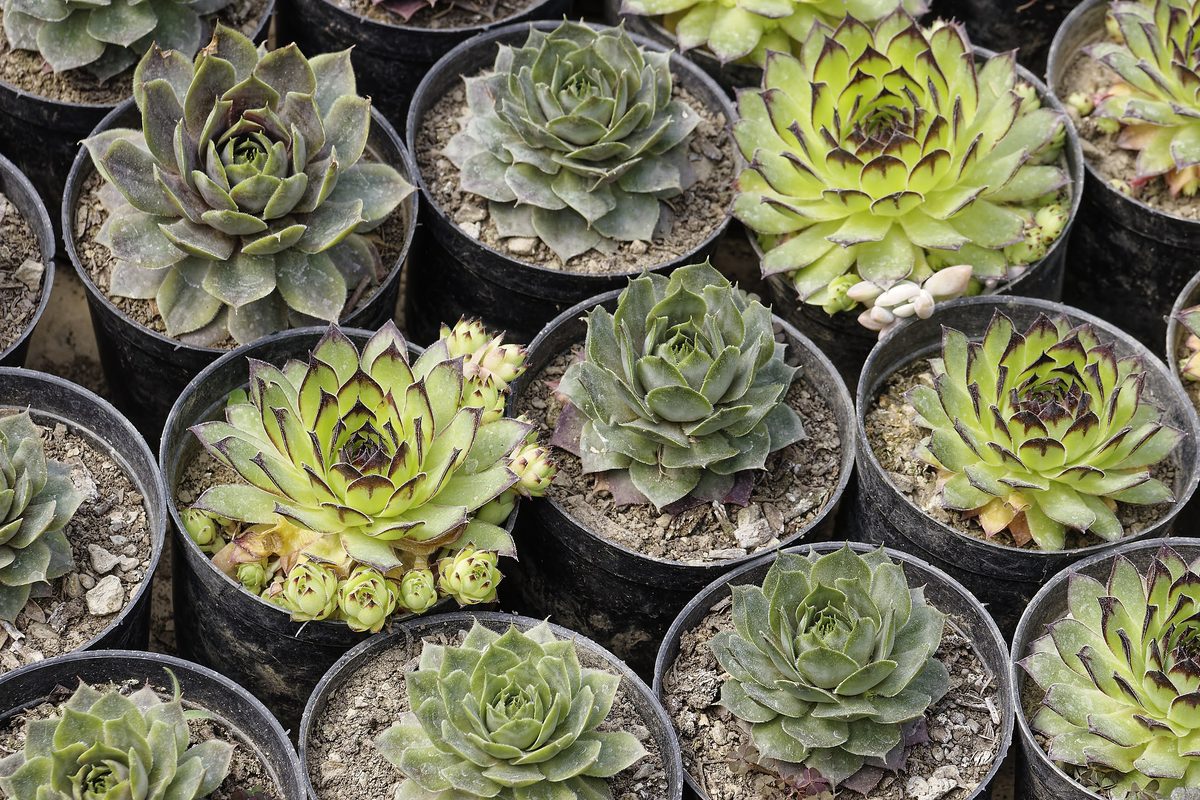
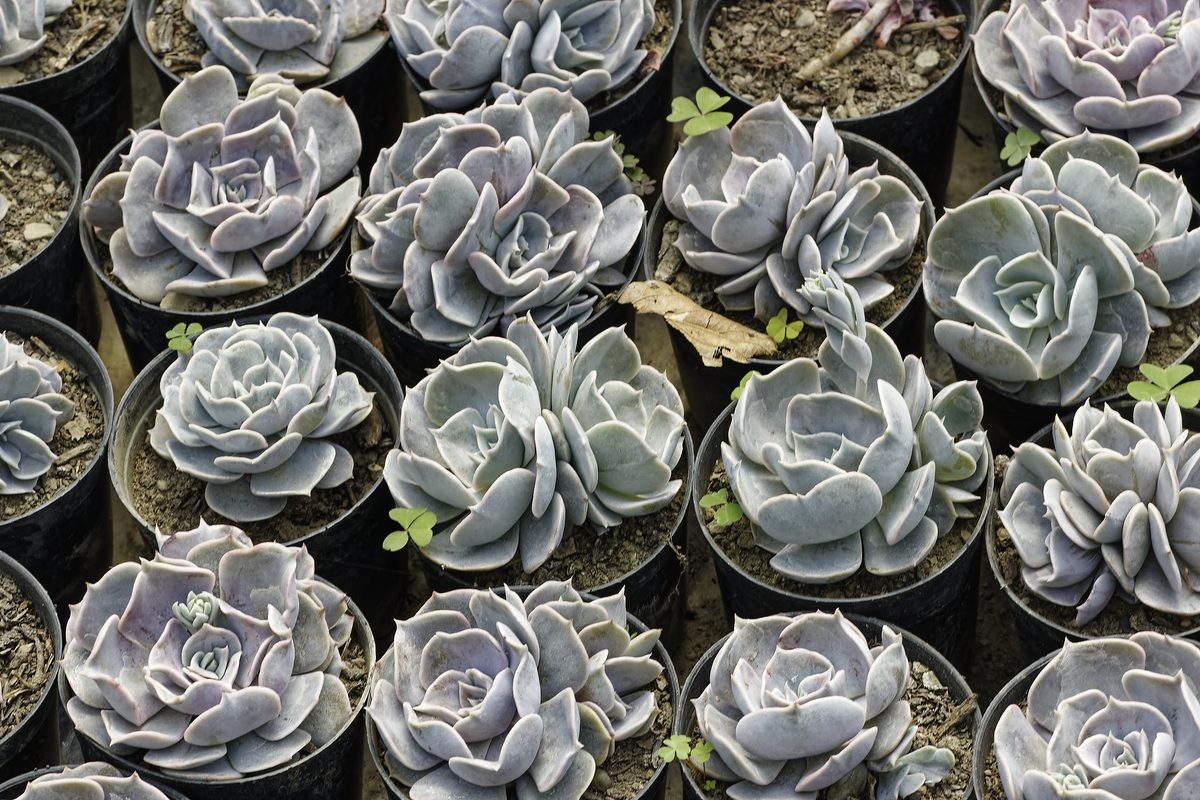
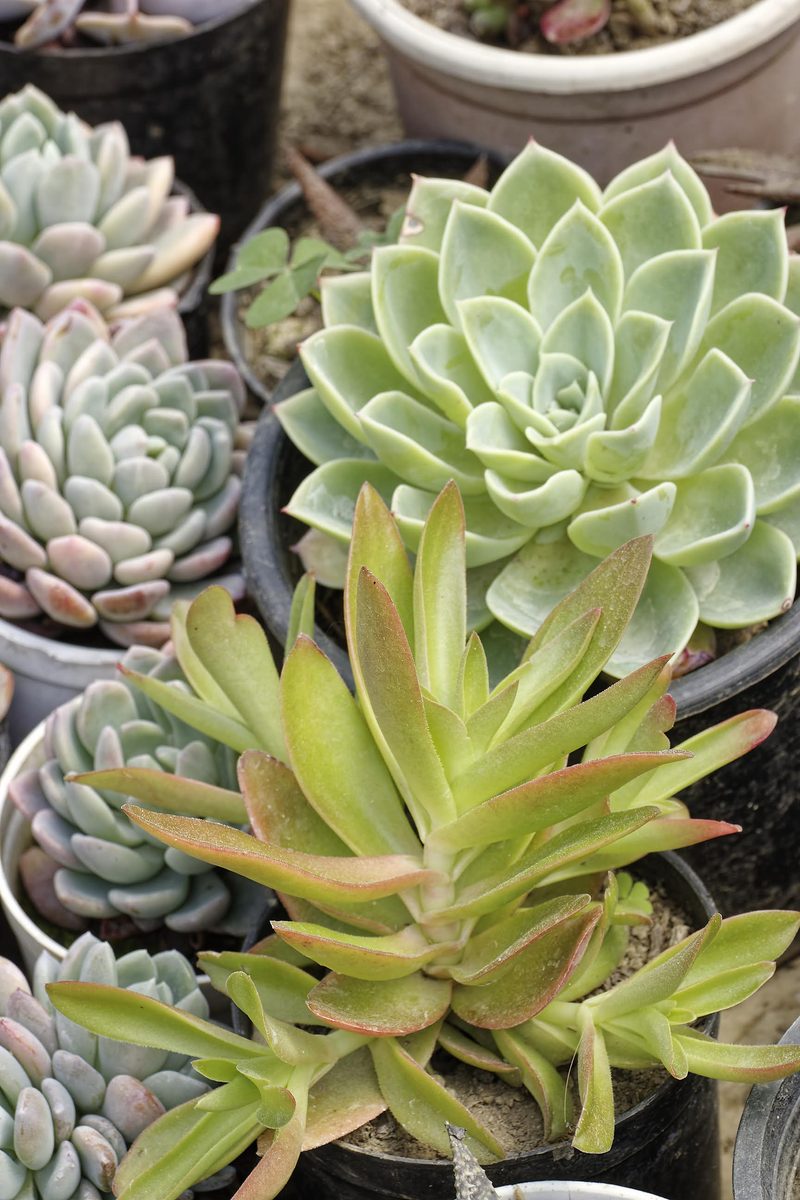
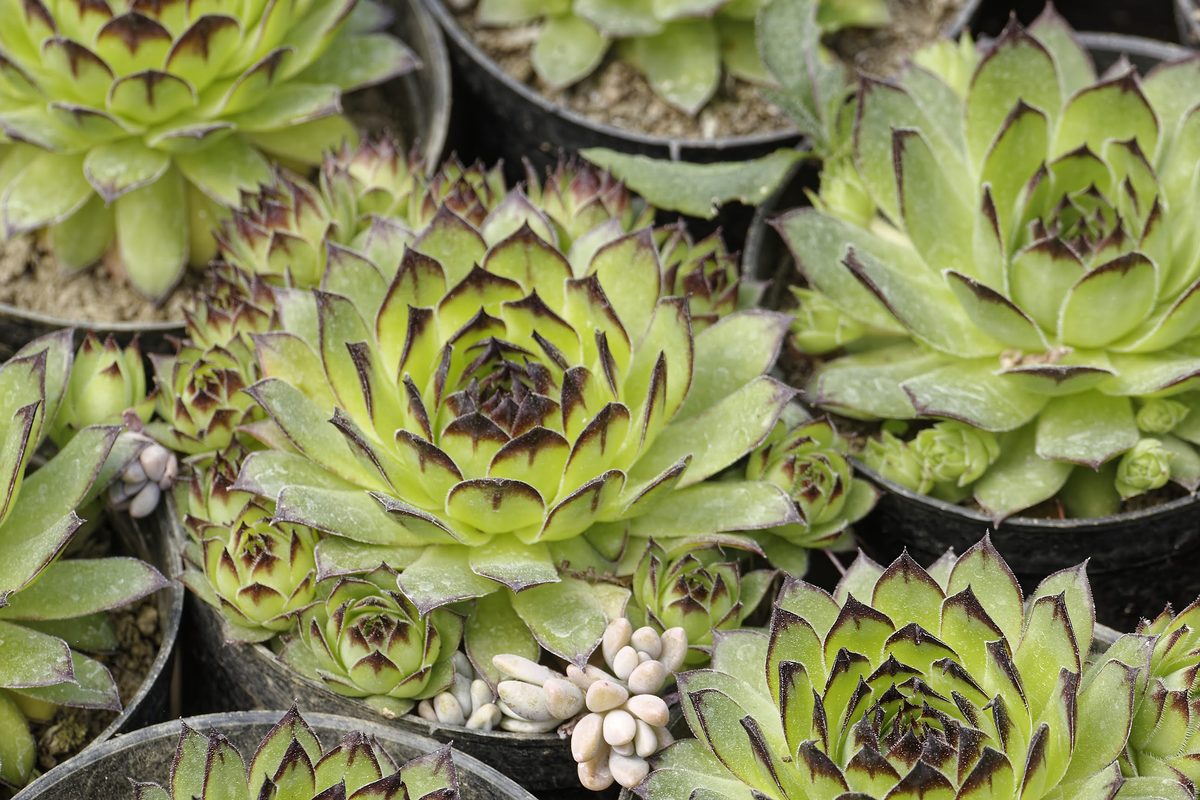
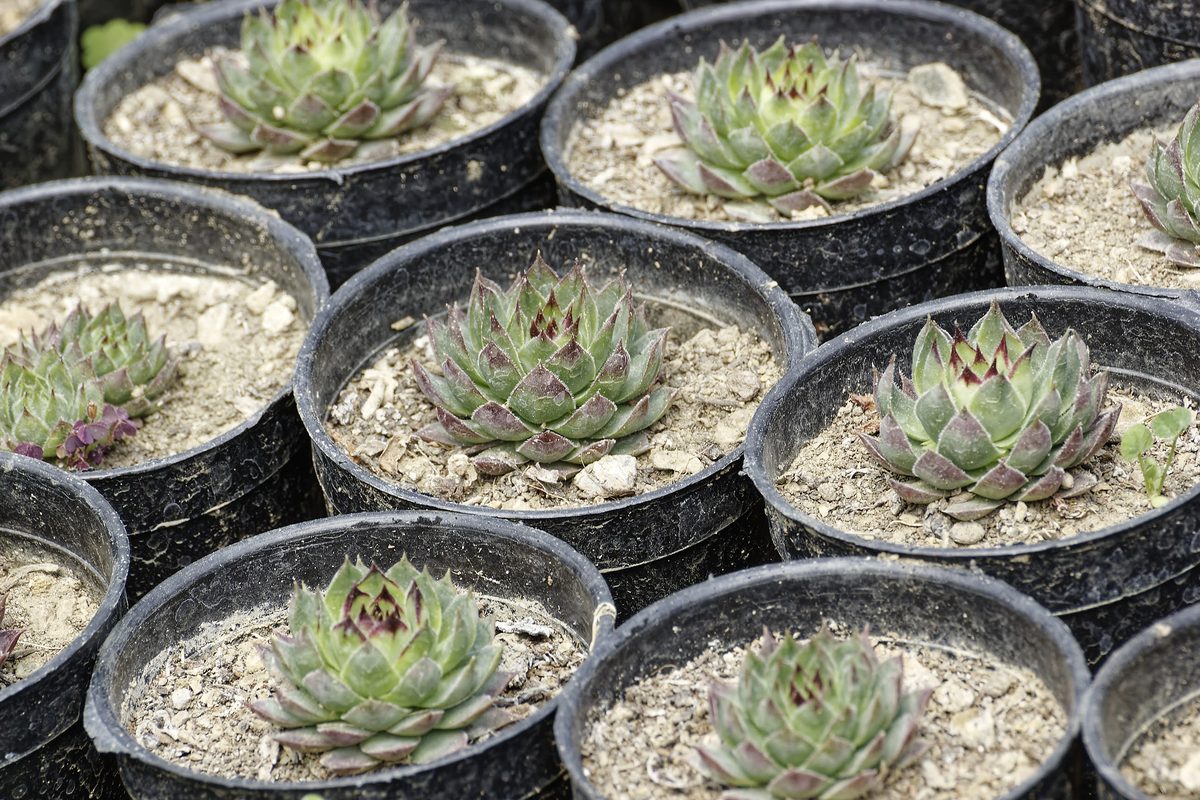
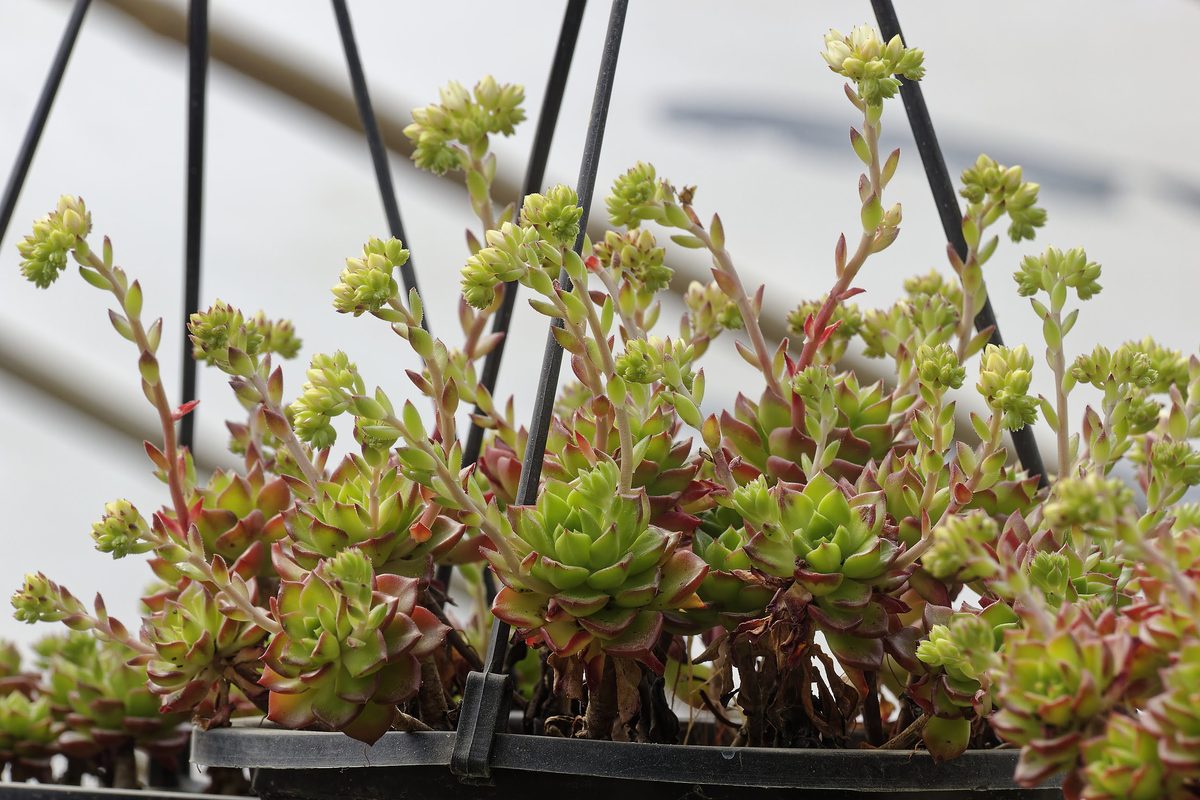
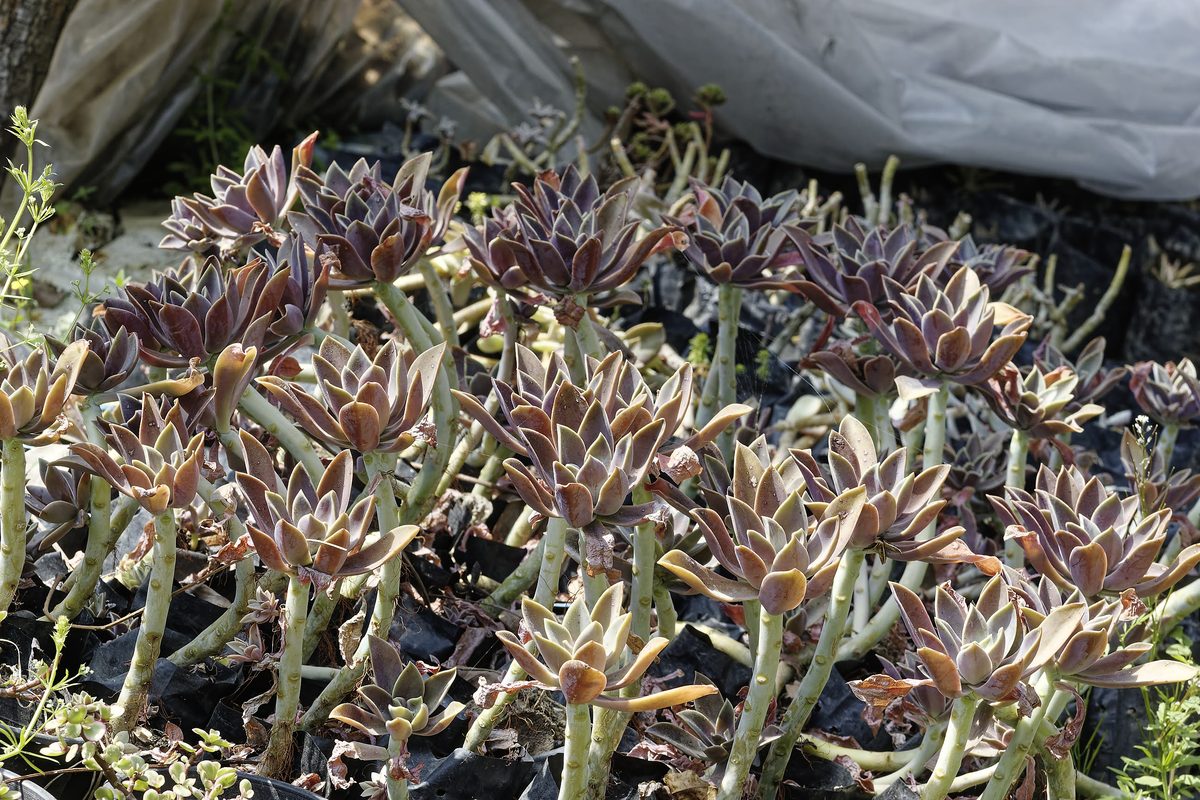
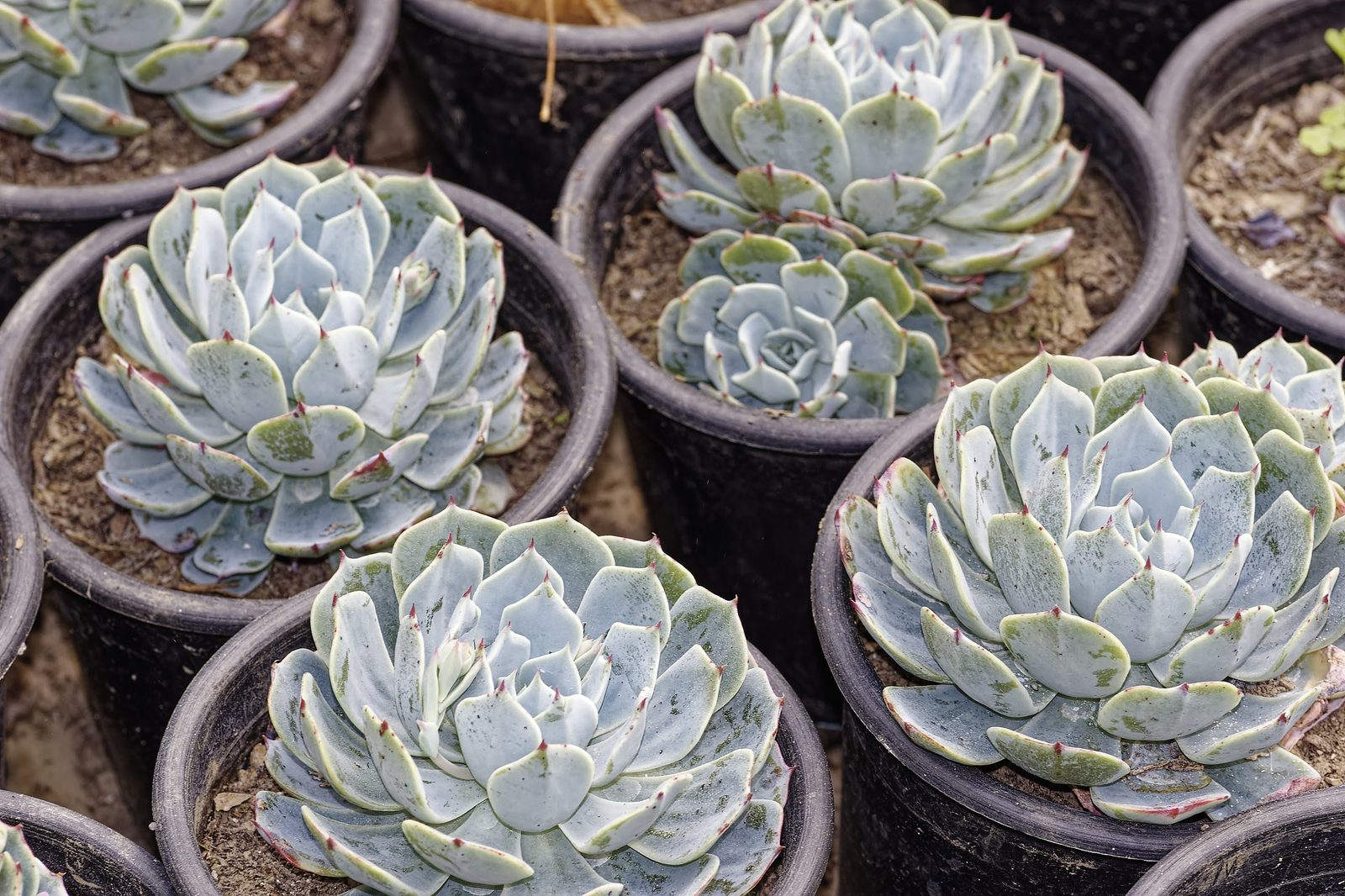
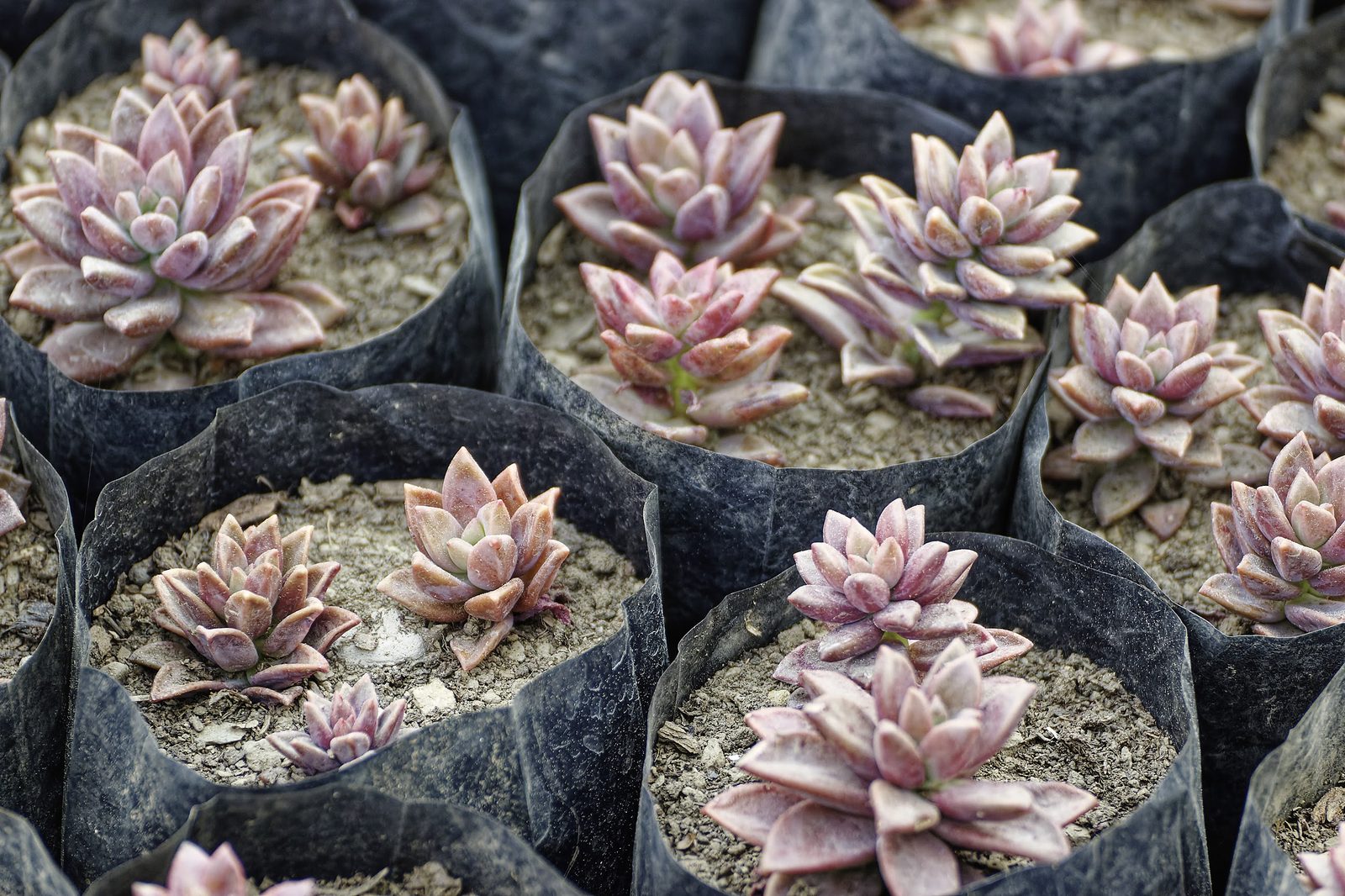
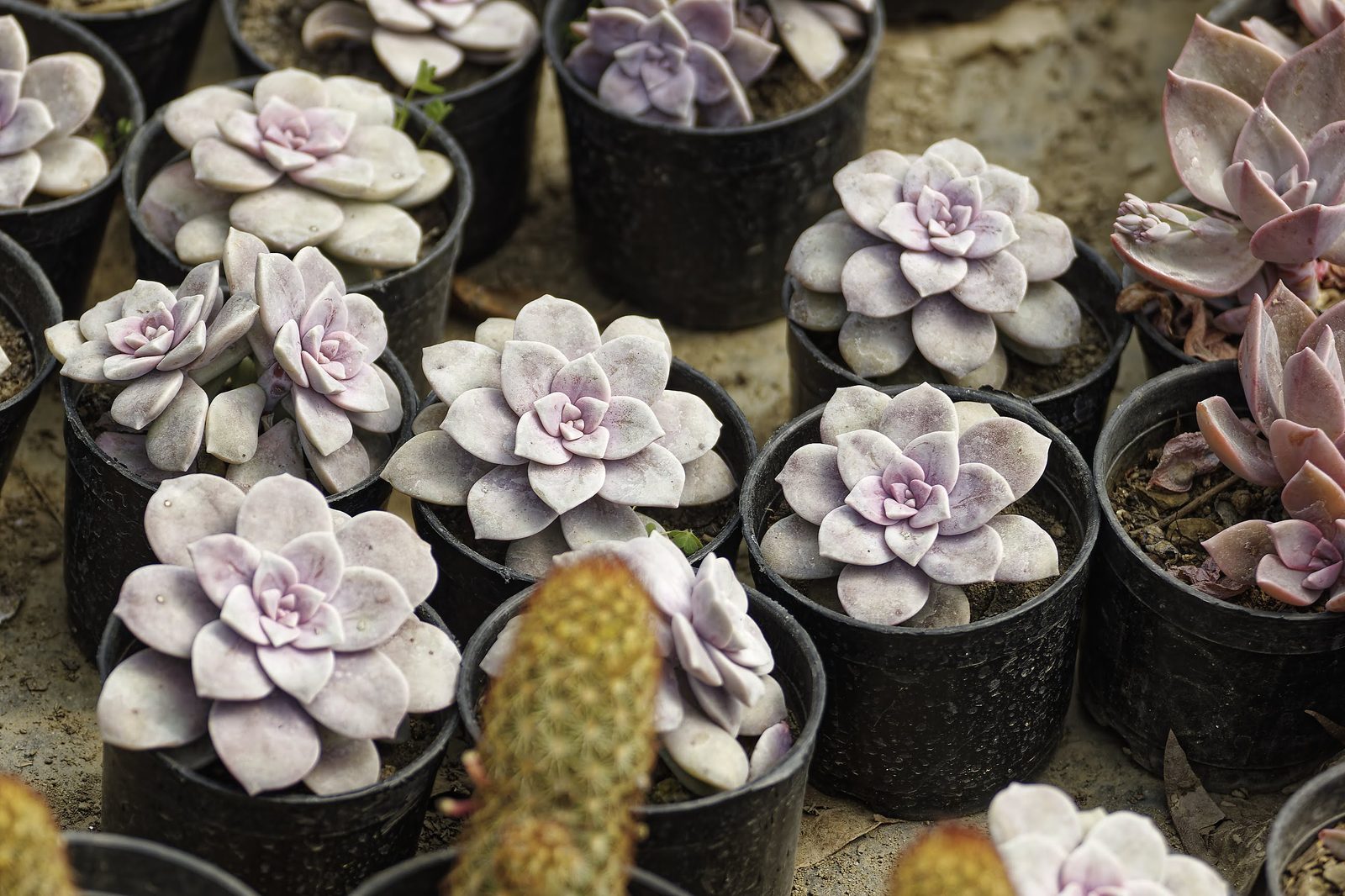
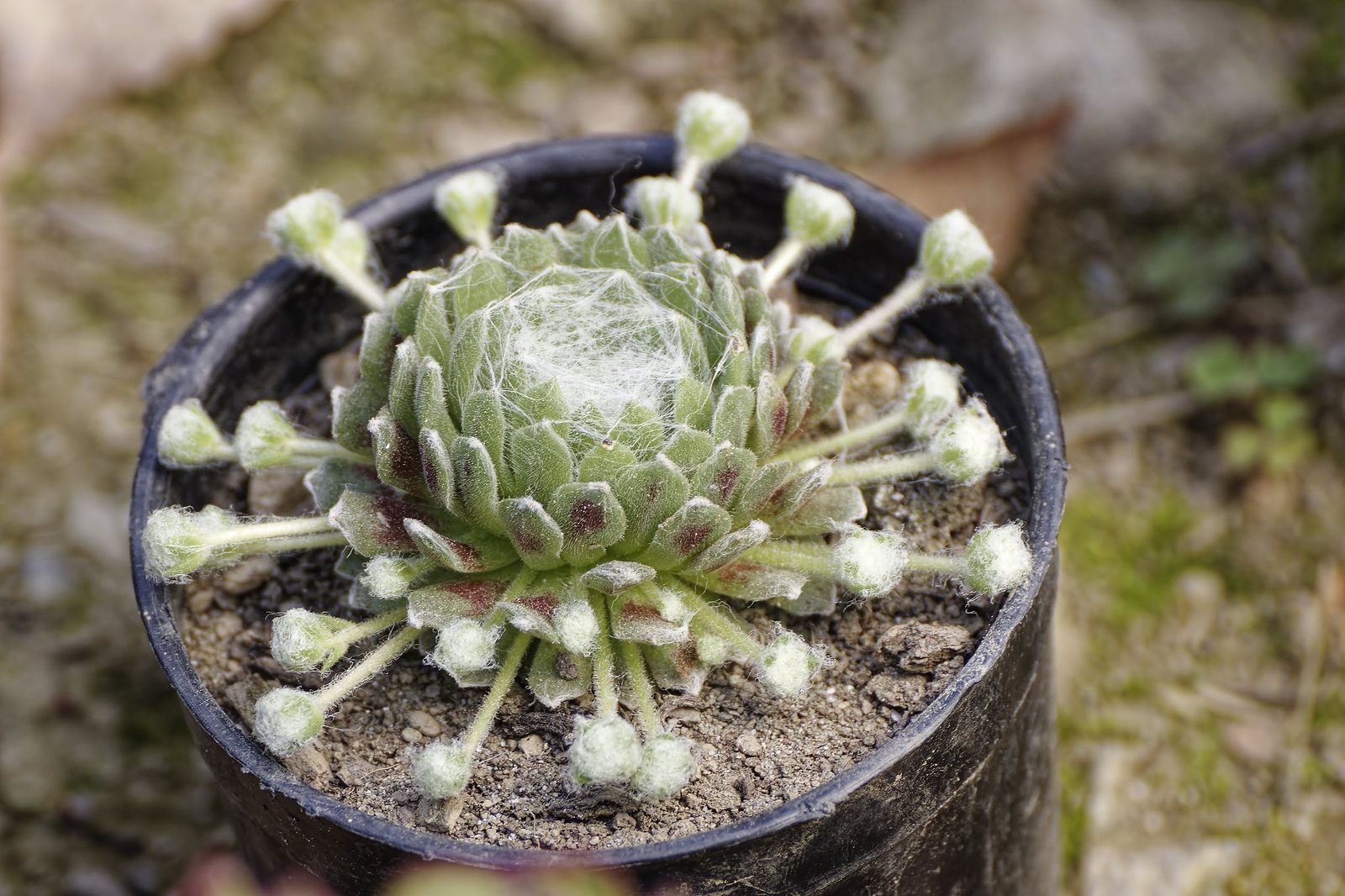
This rosette succulent is probably Rosularia (identification unconfirmed). True houseleek (Sempervivum) is native to Europe and western Asia, not the Himalaya; if these plants are Sempervivum, they are garden introductions. Its concentric rings of thick, paddle-shaped fleshy leaves store moisture to withstand severe freezing dry spells on slate roofs and high rock cliffs.
Botanical Profile
Sourced from regional field surveys and naturalist registers
Dry vertical slate cliffs, rock crevices, sandy poor soils, and cottage roofs of the Kumaon hills. Thrives in highly drained soils under intense sun exposure from 1,200m to 3,000m.
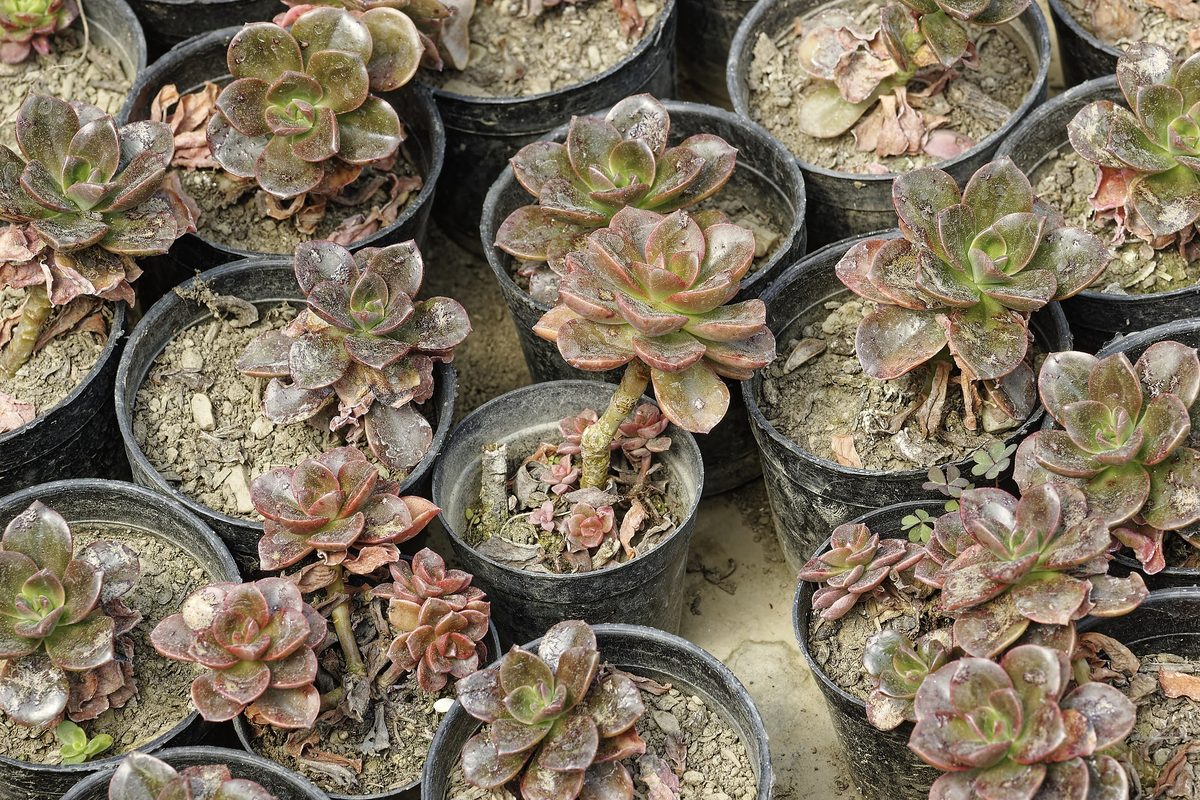
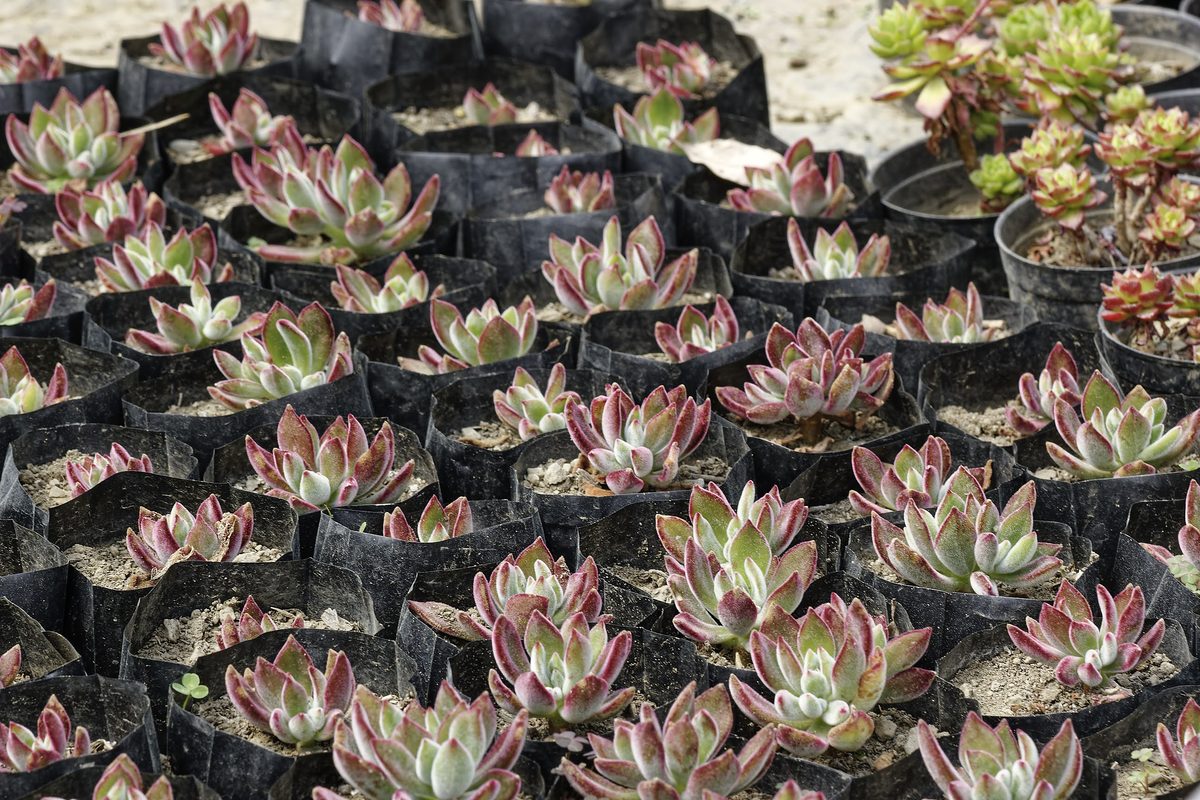
The rosette form minimizes leaf surface exposure, conserving moisture. Fleshy leaves have warm purple-red tips (caused by protective anthocyanin pigments shielding leaves from high solar UV).
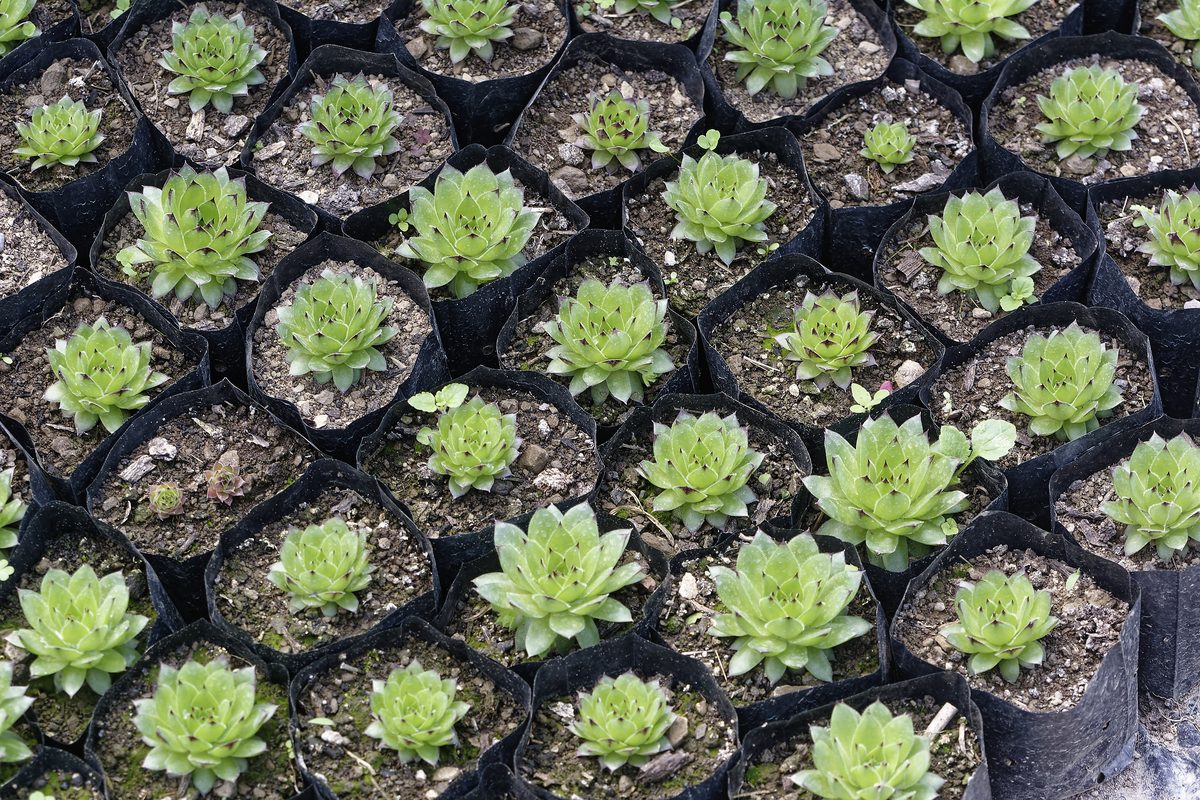
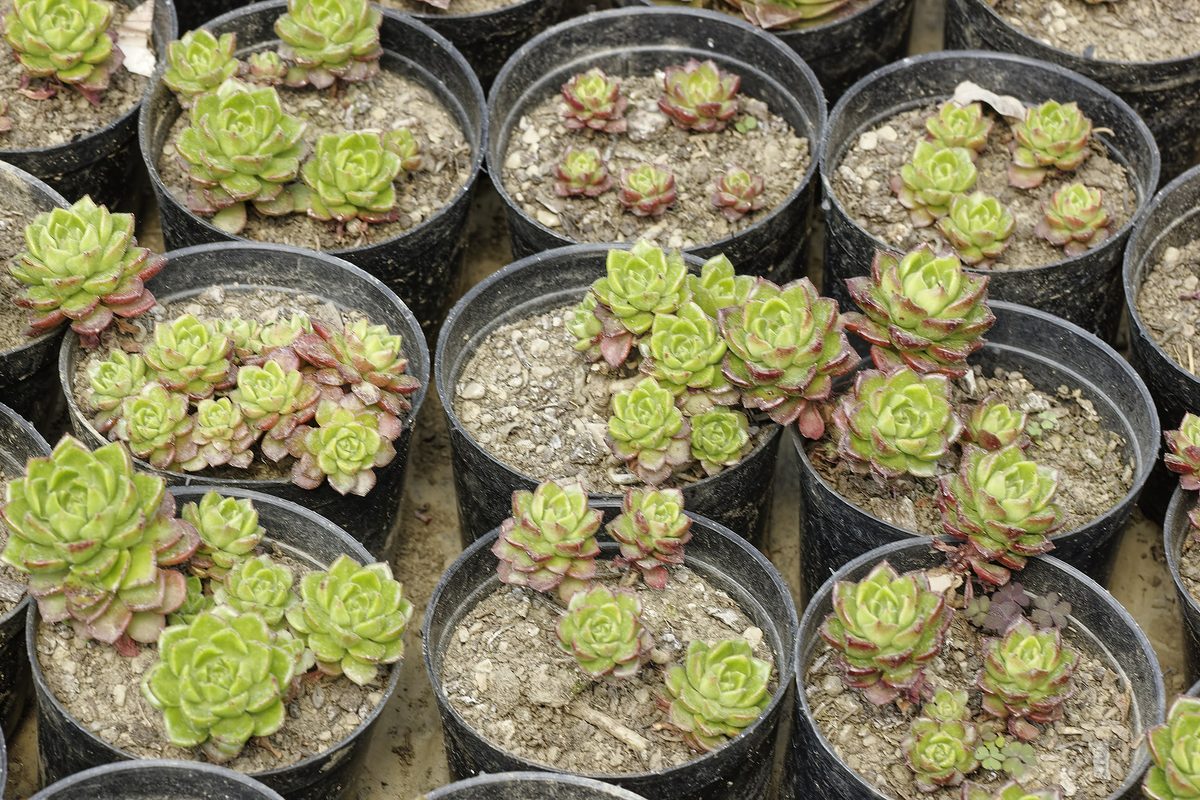
Spreads vegetatively by producing miniature plant offshoots ("chicks") on horizontal stolons. These root readily upon touching any soil or rock crevices, forming thick visual colonies.
Commonly recorded blanketing dry rocky crevices on sunny rocky ledges and on old cottage roofs in Bohragaon village.
Photographic Log
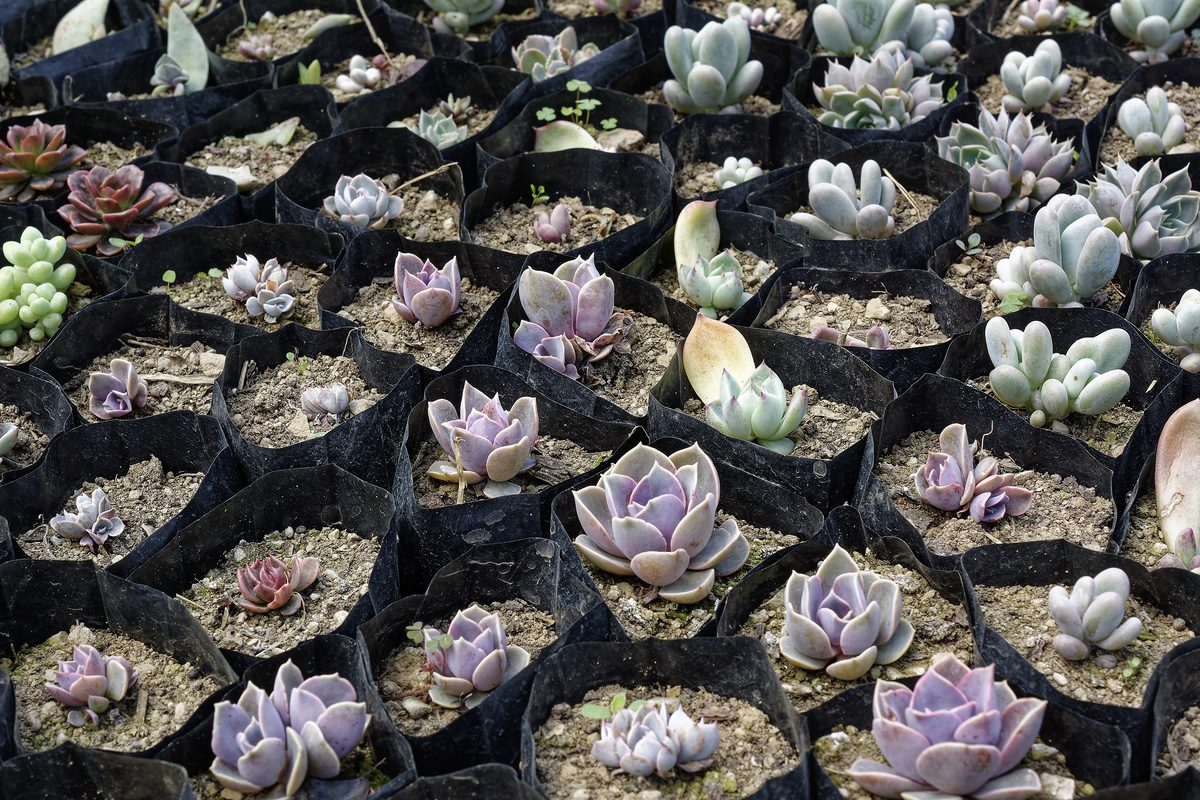
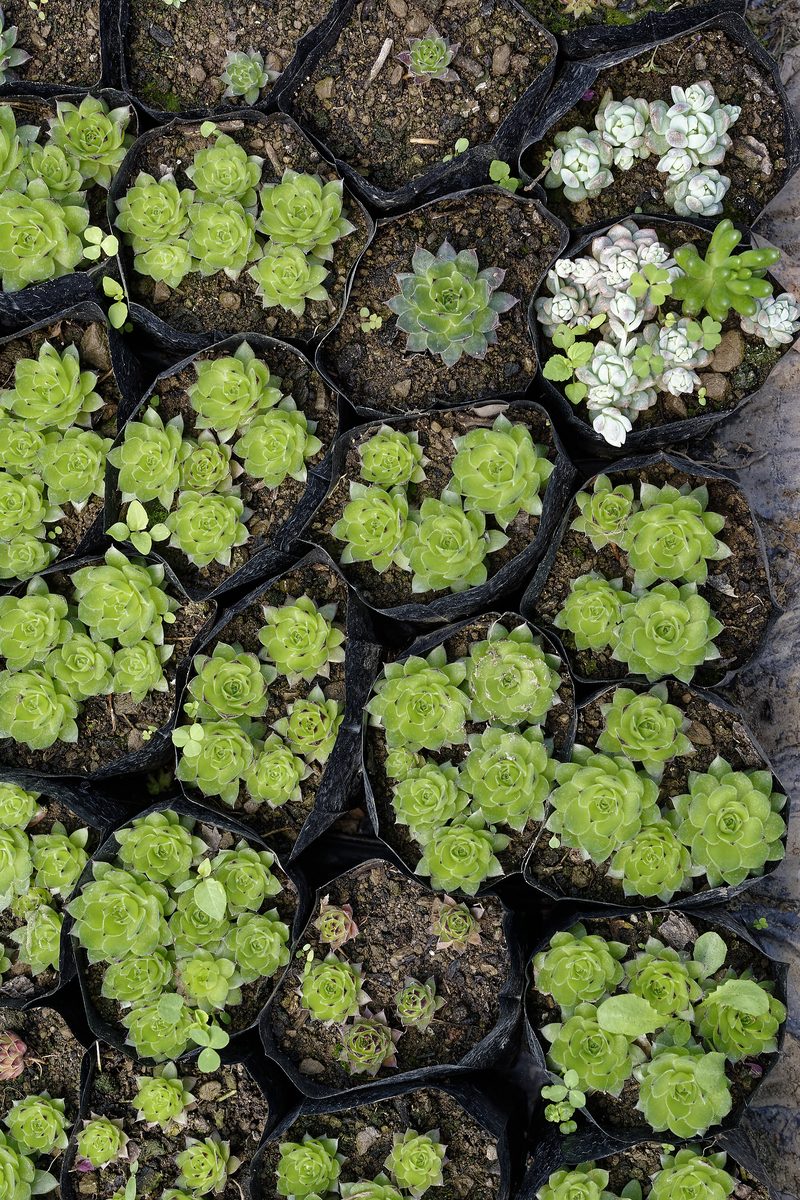
Visual field records captured in Bhimtal and Naukuchiatal (Click to enlarge)